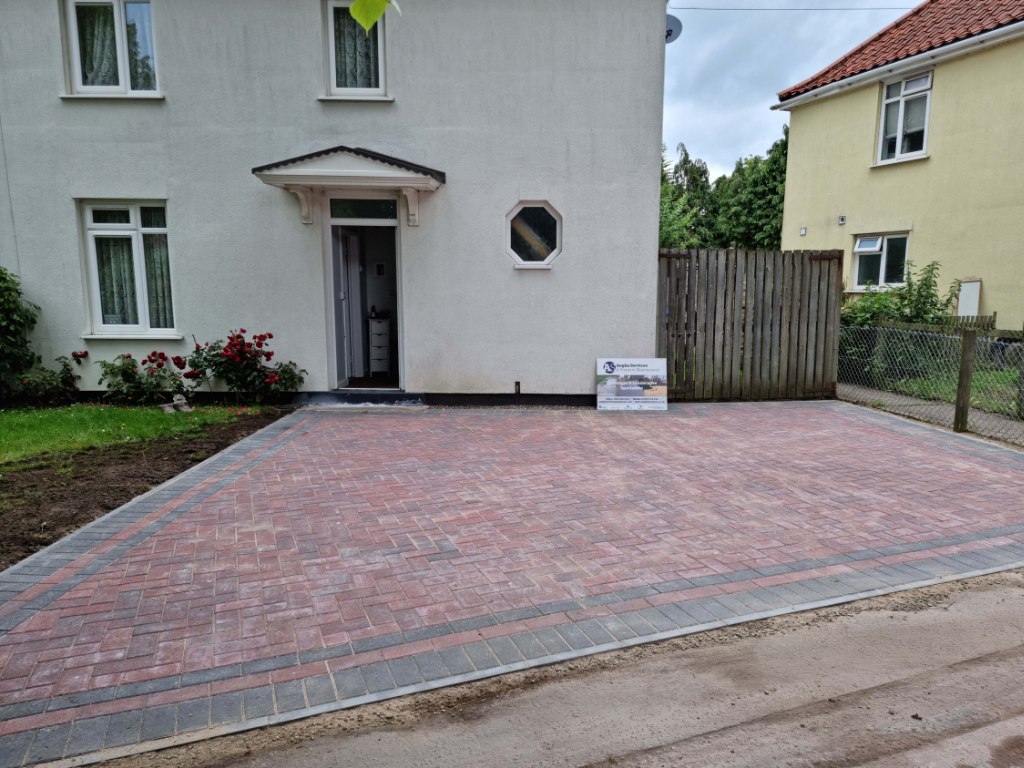
Why Is Tarmac Suitable for Driveways Used Throughout the Day?
Some driveways are used only once or twice a day, while others experience almost constant movement. Properties with several vehicles, frequent arrivals and departures, regular visitors or repeated access throughout the working day place greater demands on their driveway surface. In these situations, choosing a surface that can cope with regular use is particularly important.
Tarmac is well suited to frequently used driveways because it creates a continuous, durable surface designed to accommodate repeated vehicle movements. When supported by suitable groundwork and installed to appropriate levels, it can provide dependable access without requiring an unnecessarily complicated surface design.
For property owners in Tenterden, Kent, a professionally installed tarmac driveway can provide a practical solution where reliable everyday access is the main priority.
What Makes Tarmac a Good Choice for a Frequently Used Driveway?
The suitability of a driveway should be judged by more than its appearance. Where vehicles are entering, leaving, parking and manoeuvring throughout the day, the complete construction needs to withstand repeated loading while remaining practical in different weather conditions.
Tarmac combines a hard-wearing finished surface with straightforward everyday usability. Its performance, however, depends greatly on the preparation and supporting construction beneath it.
Tarmac Creates a Continuous Driving Surface
One of the main characteristics of tarmac is its continuous finish.
Unlike surfaces formed from individual paving units, the main driving area does not contain numerous joints between separate blocks. This creates a straightforward surface for vehicles moving repeatedly across the driveway.
For a frequently used entrance, this consistency can be particularly useful. Vehicles can travel from the access point to parking areas without repeatedly crossing changes in surface material.
A carefully planned installation can also create a clear and uncluttered appearance across the property frontage.
It Is Suitable for Repeated Vehicle Movements
Frequent driveway use creates repeated loading in particular areas.
Vehicle wheels often follow approximately the same routes every day. Cars may also regularly turn, reverse or stop in similar positions. The driveway therefore needs construction capable of accommodating these recurring movements.
Tarmac is widely suited to vehicle-access surfaces, but the finished material should not be expected to provide all of the necessary strength by itself.
The layers beneath the surface need to provide appropriate support so that vehicle loads are distributed effectively.
Good Ground Preparation Is Essential for Busy Driveways
The most attractive tarmac finish will only perform as well as the construction supporting it.
A frequently used driveway needs properly prepared ground and a suitable sub-base. If the supporting layers are inconsistent or inadequately compacted, regular traffic can expose those weaknesses through settlement or deformation.
This is why professional driveway installation places considerable emphasis on groundwork.
Preparation may not be visible once the driveway has been completed, but it plays a fundamental role in how the surface performs under everyday use.
Tarmac Works Well Where Vehicles Regularly Turn
Some driveways involve considerably more than travelling forwards and backwards.
Vehicles may need to turn before leaving, manoeuvre around other parked cars or repeatedly change direction within a relatively confined area. These movements can concentrate loading on particular sections of the surface.
A properly constructed tarmac driveway provides a consistent area across which these manoeuvres can take place.
The layout should still be planned carefully so that frequently used turning areas have suitable support and enough practical space for normal vehicle movements.
A Smooth Surface Can Make Daily Access More Convenient
For a driveway used several times throughout the day, small practical details become increasingly noticeable.
A consistent tarmac surface provides straightforward access for cars while also creating a practical route for pedestrians, bins and other everyday movement around the property.
Good installation should avoid unnecessary irregularities and abrupt transitions.
Where the driveway connects with other access areas, careful planning of finished levels can help create a more natural transition between surfaces.
Drainage Is Particularly Important on Frequently Used Surfaces
A busy driveway still needs to manage rainfall effectively.
Persistent standing water can make frequently travelled areas less convenient and may indicate that the surface levels are not working as intended. Appropriate falls and drainage considerations should therefore form part of the initial driveway design.
This is especially important where the driveway contains larger parking or turning areas.
Rather than treating drainage as something to address after installation, surface water movement should be considered when establishing the driveway’s levels and layout.
Tarmac Can Accommodate Larger Driveway Layouts
Properties requiring frequent vehicle access often need more than a narrow parking strip.
There may be space for several vehicles, a wider entrance or a turning area. Tarmac can be particularly effective across these larger surfaces because the continuous finish helps the different sections feel like one coordinated driveway.
The layout can be designed around how vehicles actually use the property.
Planning parking, movement and access together can produce a driveway that functions more effectively than simply surfacing the maximum available area without considering everyday traffic patterns.
Defined Edges Support a Neater Layout
A tarmac driveway does not need to appear plain or undefined.
Well-planned edging can clearly establish the boundary between the driveway and surrounding lawns, planting or other landscaped areas. It can also help create deliberate shapes around parking and access sections.
For frequently used driveways, clear boundaries can make the overall layout easier to understand while giving the finished surface a more considered appearance.
Edge construction should be incorporated into the installation rather than treated purely as decoration.
Tarmac Can Be Used for Driveways With Different Shapes
Not every driveway follows a simple rectangular layout.
Some need to widen near parking areas, curve towards an entrance or connect several parts of the property. A tarmac surface can be formed to accommodate a variety of practical layouts.
This flexibility can be useful when designing around the way vehicles naturally approach and move across the property.
The shape should ultimately support everyday use. Decorative features are most successful when they complement rather than interfere with vehicle access.
Frequently Used Areas Need Consistent Support
One of the risks with any driveway is that certain sections receive considerably more traffic than others.
Entrance points, wheel tracks and turning areas can experience repeated loading every day. If these sections have weaker support beneath them, deterioration may begin there even while less frequently used areas remain relatively unchanged.
Professional construction should therefore provide consistent preparation throughout the driveway, with the expected vehicle use considered from the outset.
This helps avoid creating obvious weak points within the most heavily travelled sections.
Good Levels Help Prevent Unnecessary Low Points
A driveway that is used throughout the day needs to remain practical across its full surface.
Poorly established levels can create depressions or awkward transitions that become increasingly noticeable through regular use. Low areas may also collect rainfall.
Careful setting out before tarmac is installed helps establish appropriate finished levels across entrances, parking areas and turning sections.
This is another reason why driveway performance begins during preparation rather than when the final surface is laid.
Tarmac Provides a Straightforward Surface to Maintain
A frequently used driveway will naturally collect dirt, leaves and other debris over time.
The relatively continuous nature of tarmac makes routine surface care straightforward. Keeping the driveway clear also makes it easier to notice changes such as cracking, localised settlement or deterioration around edges.
Early identification of a developing problem can be useful because it allows the affected area to be assessed before deterioration spreads.
Regular observation is particularly worthwhile on surfaces that experience substantial daily use.
Localised Damage Does Not Always Mean the Whole Driveway Has Failed
Even a busy tarmac driveway can eventually develop wear in a particular area.
If deterioration is confined to one section while the surrounding driveway and supporting construction remain sound, localised attention may be appropriate. The important point is to understand why that area has deteriorated.
Repeated failure in the same location could indicate an underlying weakness, drainage issue or concentrated loading pattern.
Assessing the cause before carrying out remedial work helps avoid simply covering a problem that may return.
The Driveway Should Be Designed Around How It Will Be Used
A good driveway specification should reflect the property rather than relying on a standard approach.
Important considerations include how many vehicles regularly use the driveway, where they park, whether turning takes place on the surface and which sections receive the greatest amount of traffic.
Pedestrian access should also be considered.
Understanding these movement patterns allows the driveway layout, preparation and finished surface to be planned around genuine everyday requirements.
Why Professional Tarmac Installation Matters
Tarmac itself is only one part of a successful driveway.
Excavation, sub-base preparation, compaction, levels, drainage, edging and the quality of the finished installation all influence performance. These factors become particularly important when the driveway is expected to cope with regular movement throughout the day.
At Tenterden Driveways, we approach tarmac driveway installations in Tenterden, Kent, by considering how the area will actually be used. This allows the supporting construction and finished layout to be planned around the expected traffic rather than concentrating solely on appearance.
Planning for Dependable Everyday Access
A frequently used driveway should make arriving, parking and leaving the property straightforward.
The best results come from considering the complete area before work begins. Vehicle routes, turning movements, parking positions, surface water and surrounding features should all influence the design.
Tarmac provides a versatile finished surface for this type of environment, but professional preparation is what allows its practical qualities to be used effectively.
A well-planned driveway should ultimately become an uncomplicated part of everyday property access rather than an area that constantly requires attention.
Conclusion
Tarmac is suitable for driveways used throughout the day because it provides a continuous, practical and durable surface for repeated vehicle movements. It can accommodate parking, turning and regular access while creating a consistent finish across larger driveway areas.
However, frequent use makes the quality of the underlying construction particularly important. Appropriate groundwork, a stable sub-base, carefully planned levels, drainage and defined edges all contribute to dependable performance.
If you are considering a tarmac driveway for a frequently used property in Tenterden, Kent, Tenterden Driveways can assess the area and recommend an appropriate surfacing approach. Contact our team to discuss your driveway requirements and arrange a professional assessment.
Call us on: 01580 239 596.
Click here to find out more about Tenterden Driveways
Click here to complete our contact form and see how we can help with your driveway needs.